Radrundfahrt zur Geologie Bahrenfelds
In the organizer's words:
The geological subsurface of Bahrenfeld - a blessing from raw materials and a curse from subsidence
The geological subsoil of Bahrenfeld and the neighboring districts has an eventful history in the literal sense of the word. Thick layers of rock salt formed over 250 million years ago in the Permian period have given rise to salt domes. Some have penetrated to the earth's surface. The examples of Bad Segeberg or Lüneburg, which are incorrectly called limestone mountains, are clearly visible. The Othmarschen-Langenfelde salt dome is somewhat less conspicuous. During its ascent, it cut through, bent and tilted the geological layers deposited above the salt. As a result of this process, raw materials of interest to the construction industry, such as clay and gypsum, can now be found in the area of the salt dome.
In addition, the glaciers that migrated from Scandinavia in several cold periods over the last 2 million years have passed over the Hamburg area, partly reshaped the layers near the surface and finally left behind the rock debris, large quantities of sand and gravel, brought from Scandinavia.
These raw materials were mined on a large scale at the turn of the 19th and 20th centuries and are now found in the old buildings of Altona, Eimsbüttel and Ottensen.
On the other hand, subsidence is occurring in the area of the salt dome due to the leaching of gypsum layers, which is leaving its mark on the earth's surface and in buildings.
On this excursion, we will get to know the traces of raw material extraction and subsidence that are still visible today.
- Meeting point: Diebsteich S-Bahn station
- End point: Bahrenfeld S-Bahn station
- Route: 12 km
- Price: 10 euros, reduced 5 euros, against donation for all under 19s, association members and beneficiaries. Cash payment only, please bring your own suitable money.
- Without registration
Participation in the bike tour is at your own risk.
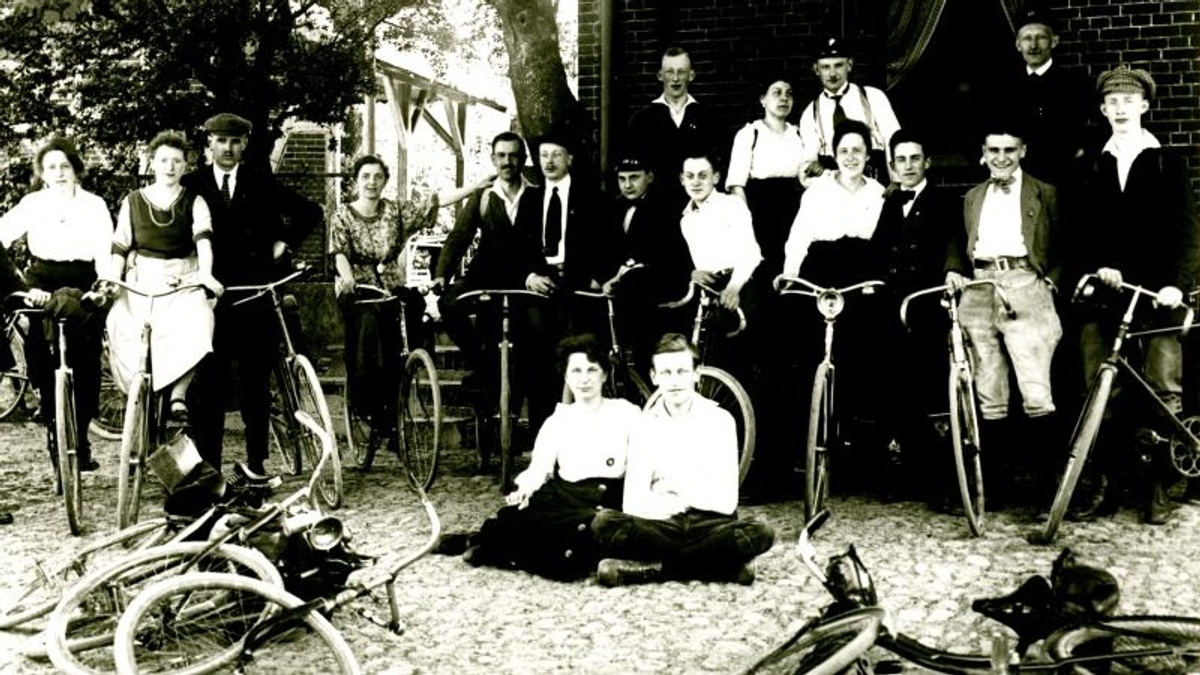
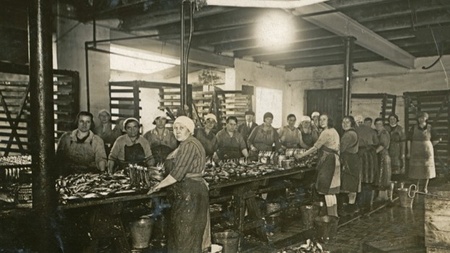
Photo: Altonaer Bicycle Club 1920 Photo: Stadtteilarchiv Ottensen e.V.
Price information:
10 euros, reduced 5 euros, for a donation for all under 19s
Location
Organizer | Miscellaneous







Events near you
Activities near you
Popular event locations
The best event recommendations for the Rausgegangen App!

Gemeinsam Events erleben
Events werden noch schöner wenn wir sie teilen! Deshalb kannst du dich jetzt mit Friends und anderen Usern vernetzen um Events gemeinsam zu besuchen. Loslegen