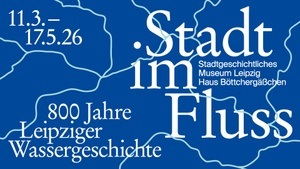
Stadt im Fluss. 800 Jahre Leipziger Wassergeschichte
In the organizer's words:
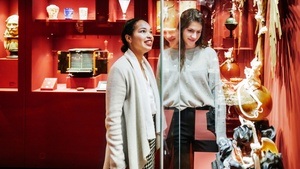
How does water shape a city - and how does the city shape its water? The exhibition guides visitors through eight centuries of Leipzig's water and landscape history. Using historical maps, technical equipment, archival documents and modern research, it shows how closely Leipzig's development is interwoven with its rivers.
The focus is on the courses of the Pleiße, Elster and Parthe rivers and the far-reaching interventions of man: from the medieval expansion of the millraces to early drinking water systems and technical innovations to conflicts over use, pollution and flooding. Impressive maps from the 16th-18th centuries bring the diversity and dynamics of Leipzig's floodplain landscape to life.
At the same time, the exhibition takes a look at the risks and environmental problems of the past - extreme flooding, lack of hygiene or the pollution of the waters by craft businesses. A separate area is dedicated to the emergence and change of scientific knowledge: sediment cores, microscope slides and modern analyses show how researchers today reconstruct river history and make environmental changes visible.
The exhibition combines urban history, the natural environment and science to create a fascinating overall picture: Leipzig - a city in a river.
A studio exhibition of the Leipzig Museum of City History and the research project "Leipzig, city in a state of flux. Urban-fluvial symbiosis in a long-term perspective", a research project of the Professorships of Early Modern History and Physical Geography at Leipzig University and the Department of Man and Environment at the GWZO. The exhibition is funded by the German Research Foundation as part of Priority Program 2361 "On the Way to the Fluvial Anthroposphere".
This content has been machine translated.Location





Events near you
Activities near you
Popular event locations
The best event recommendations for the Rausgegangen App!

Gemeinsam Events erleben
Events werden noch schöner wenn wir sie teilen! Deshalb kannst du dich jetzt mit Friends und anderen Usern vernetzen um Events gemeinsam zu besuchen. Loslegen