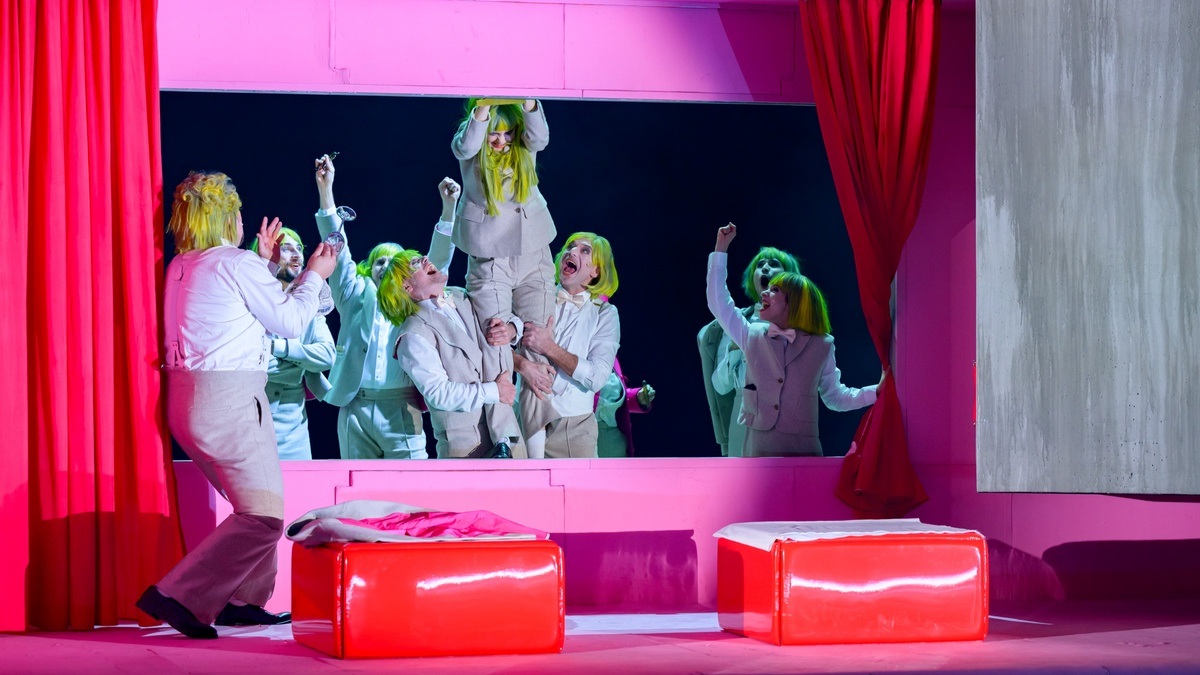
Die letzten Tage der Menschheit von Karl Kraus | in einer Fassung von Sophie Püschel und Georg Schmiedleitner
In the organizer's words:
The most improbable deeds reported here really happened; I have painted what they only did. The most improbable conversations here have been spoken verbatim; the most lurid inventions are quotations ..."
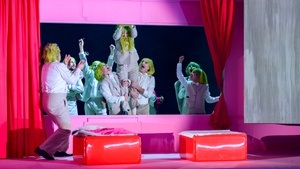
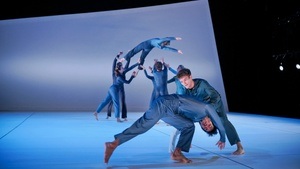
This is what Karl Kraus, one of Austria's greatest publicists and writers, writes in the foreword to his dramatic monument "The Last Days of Mankind", in which he deals with the First World War. What is special: Kraus does not devote himself to the hell at the front. Instead, the focus is on those who experience, follow, cheer on and profit from the First World War from a safe distance in the hinterland. The tragic and the absurdly comic go hand in hand. Over a quarter of the text is original material from newspapers, military orders of the day, court proceedings, letters, sermons and conversations with his contemporaries. It is not a stringent sequence of events, but rather 220 scenes with real characters. They include the Emperors Franz Joseph and Wilhelm II, soldiers, pastors, journalists and newspaper subscribers and many more. The quotes reveal thoughtless ruthlessness, stupidity and mendacity. With merciless wit and bitter satire, Karl Kraus exposes the inhumanity and absurdity of war.
We get to know war reporters who want to increase the circulation of their media by writing the most sensationalist accounts possible, and experience company owners who are afraid of peace because they are making huge profits from the war. Officers are shown feasting in safety while their soldiers starve and freeze to death. The scenes are linked by two characters who comment on the events in debates. The optimist is in favor of the war: "The good get better and the bad get good. War purifies." The grumbler, to whom Karl Kraus puts his own position, abhors war: "It takes away the faith of the good, if it does not take away their lives, and it makes the bad worse." According to the grumbler, one of the worst illusions about war is the talk of its regenerative power and the belief that civilization will emerge renewed from the catastrophe.
The message of this monumental work is clear: peace is the requirement of all political action. "The Last Days of Mankind", written between 1915 and 1922, is today regarded as one of the most important pacifist texts in recent literary history. It reveals the mechanisms that give rise to wars and keep them going, and makes it clear how all civilizational certainties dissolve under the influence of propaganda.
Location








Events near you
Activities near you
Popular event locations
The best event recommendations for the Rausgegangen App!

Gemeinsam Events erleben
Events werden noch schöner wenn wir sie teilen! Deshalb kannst du dich jetzt mit Friends und anderen Usern vernetzen um Events gemeinsam zu besuchen. Loslegen